How to Plan a Trip from Start to Finish: A Simple Step-by-Step Guide
Planning a trip can feel overwhelming when you don’t know where to start. Between choosing a destination, organizing transportation, booking accommodation, and preparing your itinerary, there are many moving parts to consider.
However, with a clear structure and a step-by-step approach, trip planning becomes much simpler and more enjoyable.
A well-planned trip not only saves time and money but also reduces stress and allows you to fully enjoy the experience. Instead of improvising at the last minute, having a plan in place gives you clarity, flexibility, and confidence throughout your journey.
Step 1: Define Your Travel Purpose and Budget
Before selecting a destination, it is important to understand the purpose of your trip. Are you traveling for relaxation, adventure, culture, business, or a combination of these? Your purpose will influence every decision you make afterward.
At the same time, setting a realistic budget is essential. Your budget will determine your destination, accommodation type, transportation options, and overall travel style. Having a clear financial range helps you make smarter choices and avoid unnecessary expenses.
A well-defined purpose and budget act as the foundation of your entire trip planning process.
Step 2: Choose Your Destination
Once you have a clear purpose and budget, you can begin selecting a destination that aligns with both. Consider factors such as travel distance, climate, safety, activities available, and overall cost of living in that location.
It is helpful to compare a few destinations before making a final decision. Look into what each place offers in terms of experiences, convenience, and value. Choosing a destination that matches your expectations ensures a more satisfying travel experience.
Step 3: Research the Best Time to Visit
Timing plays a crucial role in how enjoyable your trip will be. Different destinations have peak seasons, off-seasons, and transitional periods, each offering different advantages.
Traveling during peak season may provide better weather and more activities, but it can also mean higher prices and larger crowds. On the other hand, off-season travel can offer better deals and a more relaxed atmosphere, though some attractions may have limited availability.
Understanding the best time to visit helps you balance cost, comfort, and experience.
Step 4: Book Flights and Transportation
After selecting your destination and travel dates, the next step is arranging transportation. This includes flights, trains, or other means of getting to your destination.
Booking in advance often allows you to secure better prices and more options. It is also important to compare different routes, times, and carriers to find the most convenient and efficient option.
Once your main transportation is confirmed, consider how you will move around locally. Options such as public transport, car rentals, or ride services can be planned in advance depending on your destination.
Step 5: Choose Your Accommodation
Your accommodation plays a major role in your overall travel experience. The right place to stay should match your budget, comfort level, and location preferences.
When selecting accommodation, consider proximity to key areas, accessibility, amenities, and reviews from previous guests. Staying in a well-located area can save time and make your trip more convenient.
Whether you prefer hotels, apartments, or boutique stays, the goal is to find a balance between comfort, location, and value.
Step 6: Plan a Flexible Itinerary
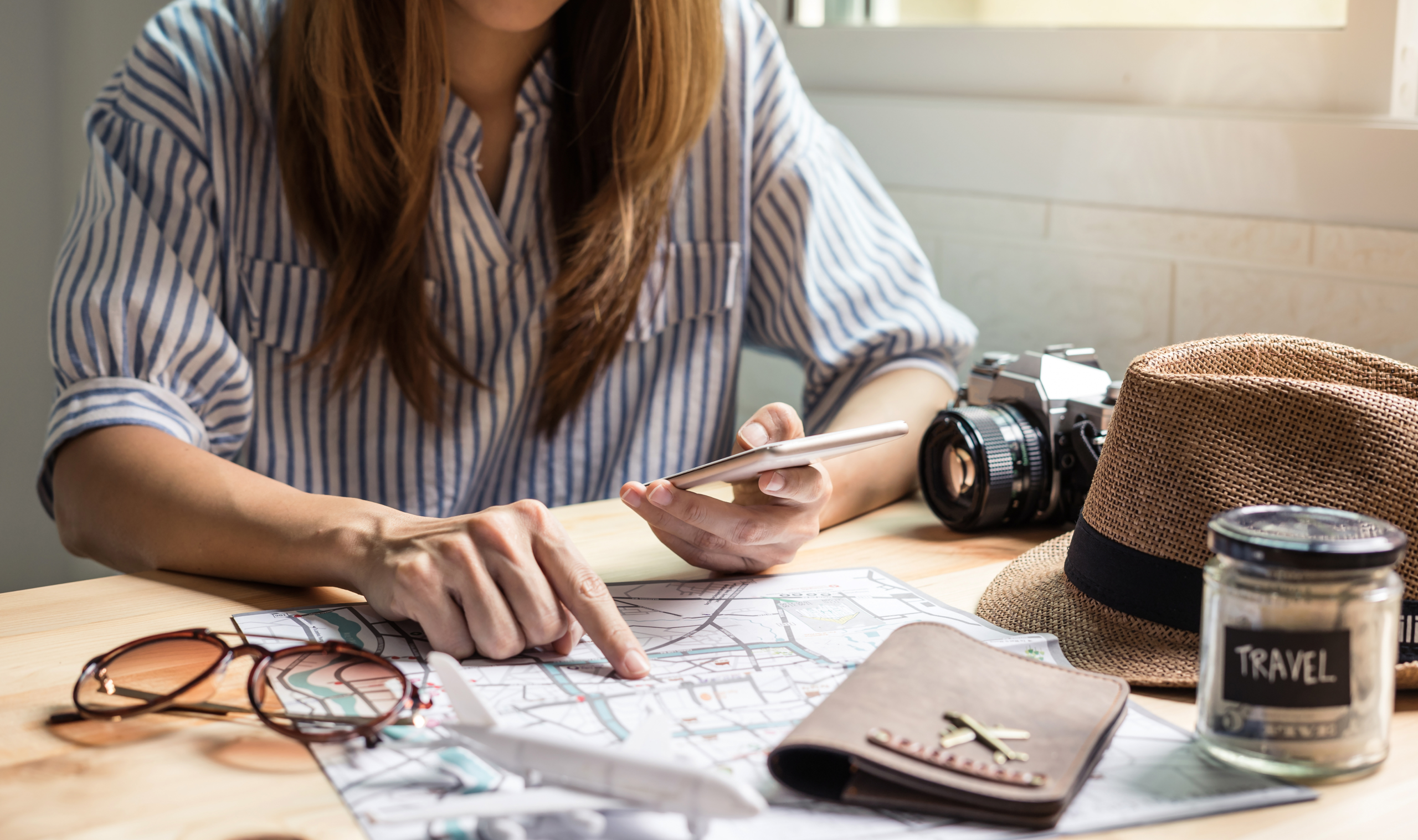
A travel itinerary helps you organize your time and ensure you make the most of your trip. Instead of overloading your schedule, focus on key experiences and allow space for flexibility.
List the main attractions, activities, or places you want to visit, and group them by location to optimize your time. Avoid scheduling too many activities in one day, as this can lead to fatigue and reduce your enjoyment.
A well-balanced itinerary includes both planned activities and free time to explore spontaneously.
Step 7: Prepare Travel Essentials
Before departure, make sure you have all necessary travel essentials ready. This includes documents such as passports, visas, identification, tickets, and confirmations.
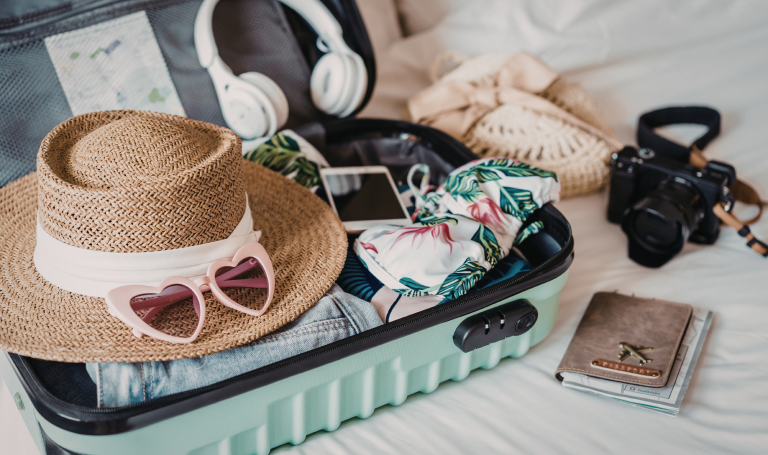
In addition to documents, pack items that support comfort and convenience during your trip. Clothing suitable for the destination’s climate, basic toiletries, and essential personal items should be organized in advance.
Keeping your packing minimal and organized helps reduce stress and makes your travel experience smoother.
Step 8: Stay Organized During Your Trip
Once your trip begins, staying organized helps everything run smoothly. Keep important documents accessible, manage your time effectively, and stay aware of your schedule.
It is also helpful to remain flexible. Travel often involves unexpected changes, and being adaptable allows you to handle situations calmly without disrupting your overall experience.
Maintaining a balance between structure and flexibility is key to enjoying your trip fully.
Planning a trip from start to finish becomes much easier when approached step by step. By defining your purpose and budget, selecting the right destination, organizing transportation and accommodation, and preparing a thoughtful itinerary, you create a clear roadmap for your journey.
A well-structured plan reduces uncertainty and allows you to focus on the experience itself rather than the logistics. With the right preparation, traveling becomes not only more efficient but also more enjoyable and rewarding.