How to Pack Light for Any Trip: The Ultimate Minimal Packing Guide
Packing is often the most stressful part of travel. Many people overpack “just in case” and end up carrying unnecessary weight, cluttering their experience instead of enhancing it.
Learning how to pack light is not about restriction it’s about freedom, efficiency, and clarity. With the right approach, you can travel with less while still having everything you truly need.
Why Packing Light Matters
Packing light simplifies every stage of your journey. From moving through airports to navigating new cities, a lighter bag means fewer physical burdens and more mental ease.
It reduces decision fatigue, eliminates wasted time, and helps you stay more organized throughout your trip.
It also gives you flexibility. You can move faster, adapt more easily, and avoid the stress of managing too many items. In many cases, it even saves money by helping you avoid extra baggage fees.
Start with the Right Mindset
The key to packing light begins before you even open your suitcase. Instead of asking “What might I need?”, shift your mindset to “What will I realistically use?”
Focus on versatility rather than quantity. Every item you pack should serve a clear purpose and ideally work in multiple situations. Neutral colors, interchangeable outfits, and multi-use items are your best allies.
Choose a Smart Packing Strategy
A structured approach makes all the difference. Start by creating a simple packing list divided into categories such as clothing, toiletries, electronics, and documents.
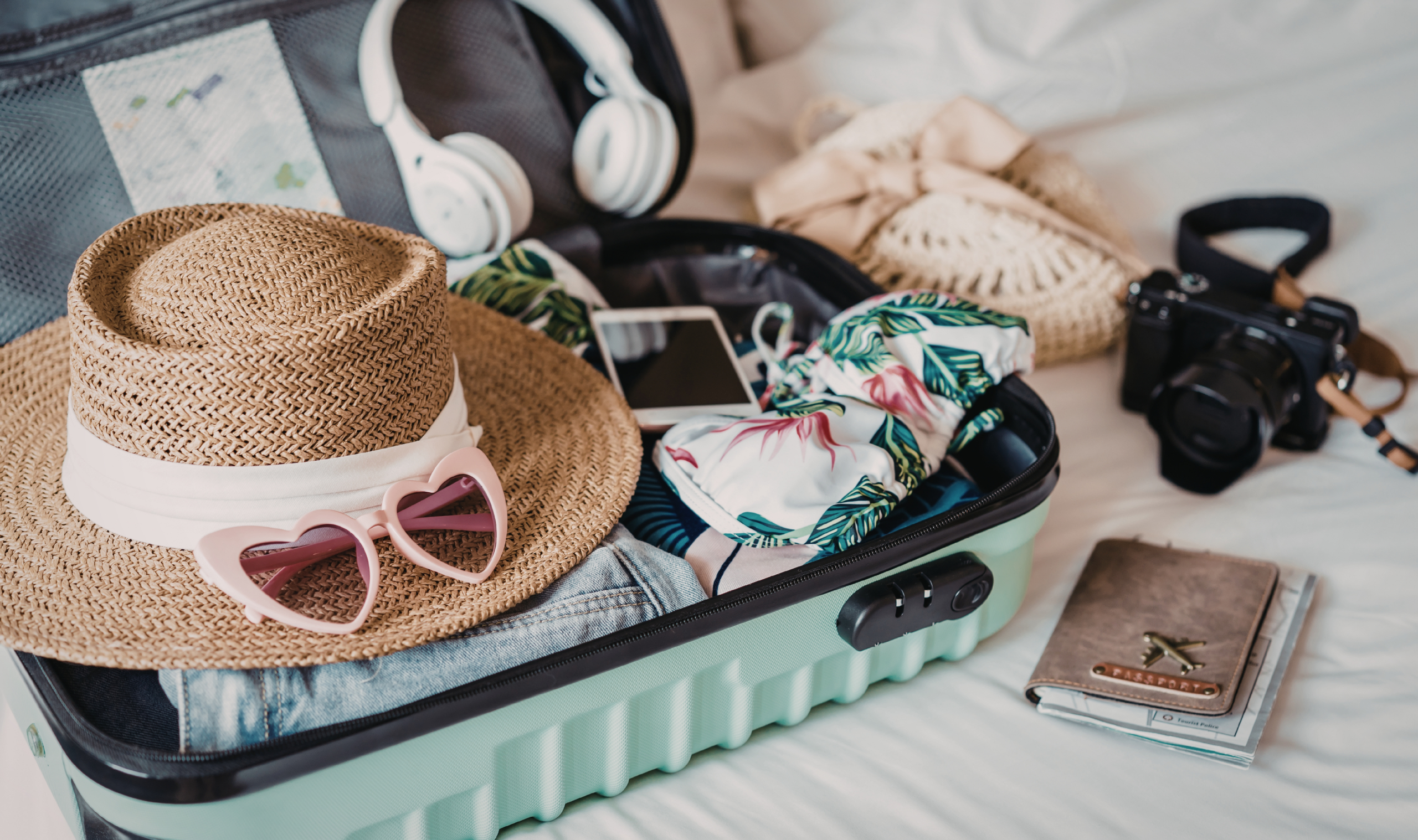
Lay everything out before placing anything in your bag. This visual step helps you eliminate duplicates and unnecessary items. If you hesitate about an item, you likely don’t need it.
Build a Minimal Wardrobe for Travel
Clothing is usually the biggest source of overpacking. Instead of packing individual outfits for each day, build a small, cohesive wardrobe where pieces can be mixed and matched easily.
Stick to a limited color palette so everything works together. Choose lightweight, wrinkle-resistant fabrics and prioritize comfort. Aim for layers rather than bulky items, as layering allows you to adapt to different temperatures without overpacking.
A practical guideline is to pack for one week even if your trip is longer—this reduces excess while allowing you to reuse and rotate outfits.
Use the Rule of Essentials
Focus only on essentials that you will use regularly. These typically include basic clothing, undergarments, a pair of comfortable shoes, toiletries, and essential documents.
Avoid packing “just in case” items unless they are truly critical. Most things can be purchased at your destination if needed. Overpacking often creates more inconvenience than the problem it tries to solve.
Optimize Your Bag Space Efficiently
How you pack is just as important as what you pack. Rolling clothes instead of folding can save space and reduce wrinkles. Using packing cubes helps organize items and compress them efficiently.
Place heavier items at the bottom of your bag and lighter items on top to maintain balance. Keep frequently used items easily accessible, especially if you’ll need them during transit.
Limit Shoes and Accessories
Shoes take up significant space, so limiting yourself to two or three pairs is usually enough: one comfortable walking pair, one versatile option, and one optional pair depending on your trip.
Accessories should also remain minimal and functional. Choose pieces that complement multiple outfits instead of packing for variety alone.
Digitalize Where Possible
Reduce physical items by digitizing documents such as tickets, reservations, and itineraries. Store them on your phone or cloud storage for easy access.
This not only saves space but also reduces the risk of losing important papers during your trip.
Final Checklist Before You Leave
Before closing your bag, review everything one last time. Ask yourself: Will I use this item at least once?, Does it serve a clear purpose?, Is there something else that already fulfills the same function?
If the answer is unclear, remove the item. This final review is what keeps your packing truly minimal.
Packing light is a skill that improves with practice. Once you adopt a minimalist approach, travel becomes smoother, more enjoyable, and far less stressful. By focusing on essentials, choosing versatile items, and organizing efficiently, you can move with ease and confidence on any trip. How to Plan a Trip from Start to Finish: A Simple Step-by-Step Guide